
 Community forum hears first-hand accounts following Storm Goretti
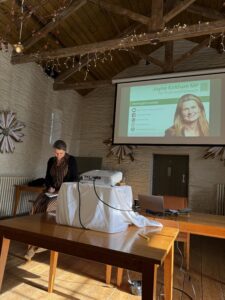
A public meeting was held on a Saturday at The Barn, Trelissick Garden, organised by Jayne Kirkham MP, bringing together around 70 residents who said they were affected by Storm Goretti.
The meeting was set up as a forum for residents to describe their experiences during and after the storm, identify where systems worked or failed, and raise concerns about preparedness and resilience in Cornwall, particularly in rural and coastal areas.
In her opening remarks, Kirkham said Storm Goretti was forecast but intensified quickly during the day. She noted that emergency alerts were issued and acknowledged that there were issues around who received alerts, how many were received, and the timing of those warnings.
Kirkham outlined the sequence of impacts as her office understood them: widespread power outages, disruption to water supplies where treatment works lost power, and later-emerging problems with communications. She said that while power was restored in many areas within several days, some residents continued to experience loss of internet and phone services after electricity returned.
Several attendees described being unable to contact internet or telephone providers during the outage. Others said they were instructed to report faults online or via phone despite having no working connection. Contributors also raised concerns about the removal of traditional copper landlines, which in the past could operate independently of mains electricity.
Residents from remote areas described having no mobile signal even under normal conditions, leaving them without any means of communication once power and internet services failed. Some said they had been without communication for several weeks.
The issue of vulnerability was raised repeatedly. Speakers noted that while utility companies hold lists of vulnerable customers, parish councils and neighbours do not have access to those lists. One parish council representative described local efforts to check on older residents following the storm, while also highlighting limitations around safety and liability when dealing with fallen trees, blocked roads and potential live cables.
Lucy Isaacson, who works in flood risk and climate resilience, spoke about the increasing likelihood of severe weather events and encouraged residents to take practical steps to prepare. She shared a simplified preparedness document, based on the Environment Agency’s personal flood plan, designed to help households record key information such as contacts, policy details and actions to take before and during an emergency.
Cornwall councillor Martin outlined how emergency management operates under the Civil Contingencies Act, including the role of Local Resilience Forums and the distinction between Category 1 responders, such as emergency services and councils, and Category 2 responders, including utility companies. He said parish and town councils vary significantly in size and capacity and rely on residents to support local emergency planning.
During the discussion, residents questioned why Storm Goretti was not declared a “major incident” and whether that affected the level of national support available. Kirkham said that decisions on declaring a major incident sit with local agencies and that, at the time, utility providers had indicated they were managing the situation. She acknowledged ongoing concerns, particularly around communications resilience in rural areas, and said these were being raised with government departments.
Concerns were also raised about backup power for mobile phone masts, access to generators for community buildings, fault reporting processes, and the lack of clear public information from communications providers during outages. Several contributors argued that internet and phone services should be treated as essential infrastructure during emergencies.
Kirkham said feedback from the meeting would be taken back to discussions with government departments and resilience teams, with the aim of improving preparedness, communication and coordination ahead of future severe weather events.